
When you are diagnosed with cancer, food suddenly becomes a much bigger topic.
You may start asking yourself: Should I change my diet? Are there foods I should avoid? Can certain foods help my body during treatment? Should I take supplements? What should I eat when I have little appetite?
I had many of these questions myself.
During my own illness, nutrition became an important part of how I tried to take care of myself. But with time, I also learned an important lesson:
Personal experience and medical recommendations are not the same thing.
What helped me personally may not be appropriate for someone else. Cancer and cancer treatment affect every person differently, so nutrition should always be considered in the context of an individual’s medical situation.
Food Became More Important to Me During My Illness
Before my diagnosis, I probably did not think about every meal in terms of how it might affect my health.
During illness, that changed.
I became much more conscious of what I was eating, how much I was eating, and how my body responded to different foods.
I started paying more attention to simple, balanced meals rather than looking for one particular “cancer-fighting” food.
That change in mindset was important for me.
Instead of asking:
“Which food can cure cancer?”
I began asking:
“How can I give my body the nutrition it needs while I am going through treatment?”
I Focused More on Balanced Nutrition
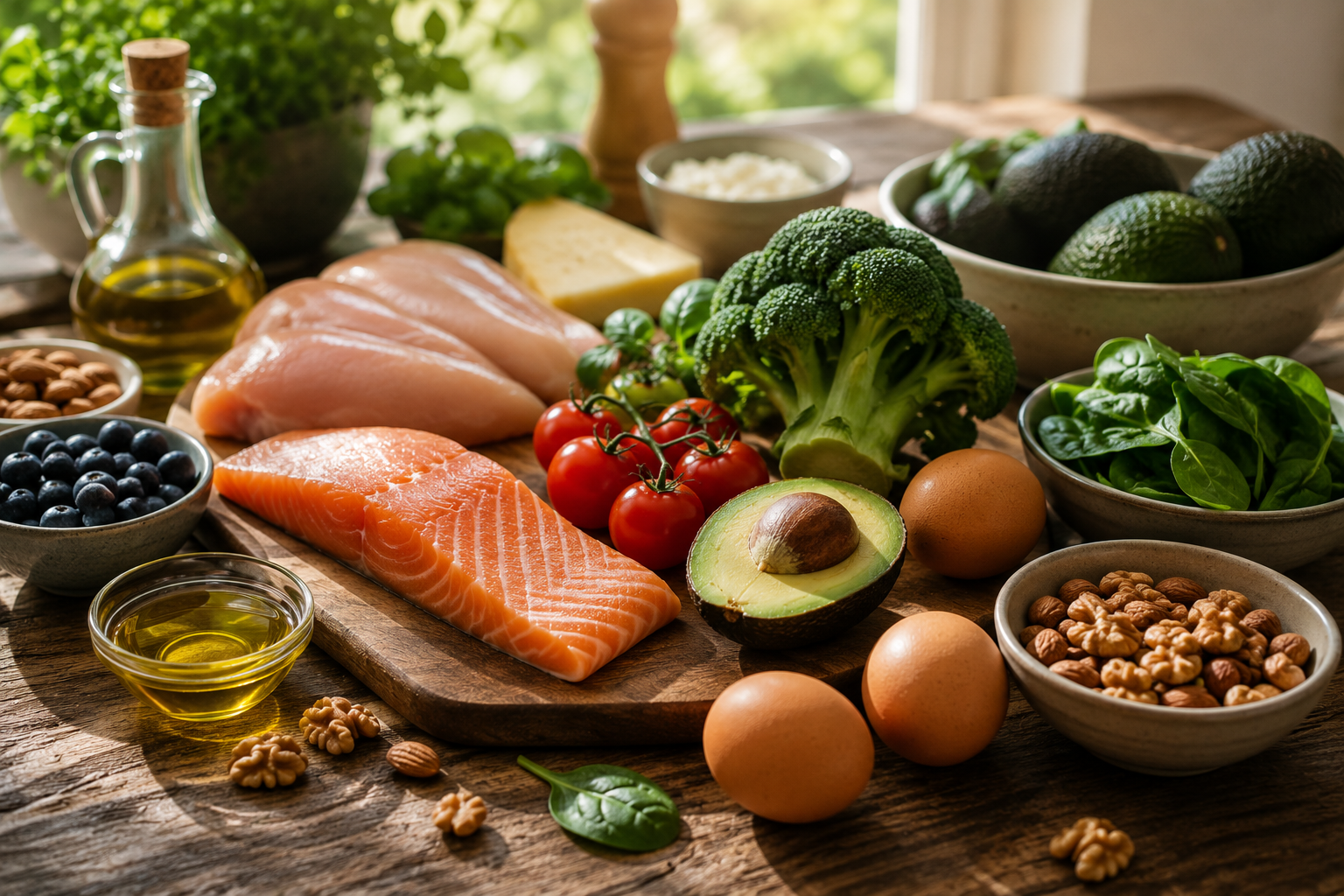
During cancer treatment, the body may need adequate calories, protein, vitamins, minerals, and fluids.
Depending on the type of cancer and treatment, nutritional needs can also change.
For me, the focus became keeping meals as balanced and practical as possible.
This meant including foods such as:
- Vegetables and fruits
- Whole grains and other sources of carbohydrates
- Protein-rich foods
- Healthy sources of fat
- Adequate fluids
The exact foods and amounts will naturally differ from person to person.
Some people may need more protein or calories during treatment, while others may have specific dietary restrictions because of surgery, medication, digestive problems, or another medical condition.
I Stopped Thinking About Food as a Cure
One of the biggest lessons I learned was that there is no single food or diet that can replace appropriate cancer treatment.
When you are frightened, it is understandable to look for something you can control.
Food can feel like one of those things.
But claims about foods, supplements, or special diets curing cancer can be misleading and sometimes dangerous if they encourage someone to delay or stop proven treatment.
For me, nutrition became a way to support my body—not a substitute for medical care.
I Learned to Listen to My Body
Cancer treatment can change how food tastes and how your digestive system responds.
Some days you may have a good appetite.
Other days, nausea, mouth problems, taste changes, constipation, diarrhea, or fatigue can make eating difficult.
I learned that there was no point in forcing myself to follow a perfect diet when my body was struggling.
Sometimes the priority was simply eating enough and staying hydrated.
That may mean choosing softer foods, smaller meals, or foods that were easier to tolerate.
The “perfect” meal is not useful if you cannot eat it.
Smaller Meals Can Sometimes Be Easier
During periods when appetite was low, large meals could feel overwhelming.
Eating smaller amounts more frequently was easier for me at certain times.
Instead of trying to finish a large plate, I could have several smaller meals or snacks throughout the day.
For someone experiencing poor appetite or weight loss, a doctor or oncology dietitian can provide individualized advice about how to maintain adequate nutrition.
Protein Became Something I Paid More Attention To
Maintaining muscle and physical strength can be important during cancer treatment.
Protein is an important nutrient for maintaining and repairing tissues.
Depending on your individual needs, protein can come from foods such as:
- Eggs
- Fish
- Poultry
- Dairy products
- Beans and lentils
- Soy foods
- Nuts and seeds
The best choices depend on your dietary preferences, medical condition, treatment, and ability to tolerate different foods.
If you are losing weight or muscle during treatment, speak with your healthcare team rather than trying to solve the problem through diet changes alone.
I Became More Careful With Supplements
Another area where I became much more cautious was dietary supplements.
It can be tempting to think that taking more vitamins, minerals, herbs, or other supplements must be beneficial.
But supplements are not automatically safe simply because they are described as “natural.”
Some supplements can interact with cancer medicines or affect how treatments work.
For this reason, I believe it is important to tell your doctor about everything you take—including vitamins, herbal products, powders, and other supplements.
Before starting something new, ask your healthcare team whether it is appropriate for you.
I Learned That Every Patient Is Different
This may be the most important lesson of all.
A food that worked well for me may cause problems for someone else.
A diet that is appropriate for one type of cancer may not be appropriate for another.
Someone receiving treatment may have completely different nutritional needs from someone who has completed treatment.
This is why I now try to distinguish clearly between:
“This is what I did.”
and
“This is what you should do.”
They are not the same statement.
There Is No One-Size-Fits-All Cancer Diet
You may come across diets that promise to “starve cancer,” eliminate cancer cells, or guarantee better treatment results.
Be cautious with these claims.
There is no universally appropriate cancer diet, and restrictive diets can sometimes make it harder to get enough calories and nutrients during treatment.
If you are considering a major dietary change, discuss it with your oncologist or a qualified oncology dietitian first.
A personalized approach is usually much more useful than following a strict diet found online.
What I Would Tell Someone Newly Diagnosed
If someone asked me what I would change about my approach to nutrition after my diagnosis, I would keep it simple:
Don’t try to become perfect overnight.
Focus on eating enough.
Try to maintain strength.
Stay hydrated.
Choose a varied and balanced diet when you can.
Be flexible when treatment side effects make eating difficult.
And don’t believe every claim you read online.
Most importantly, ask for professional nutritional support when you need it.
When Should You Ask for Help?
Talk to your healthcare team if you experience:
- Significant weight loss
- Persistent loss of appetite
- Difficulty swallowing
- Ongoing nausea or vomiting
- Severe diarrhea or constipation
- Mouth sores that make eating difficult
- Significant changes in taste or smell
- Difficulty maintaining adequate food or fluid intake
An oncology dietitian can help create a nutrition plan based on your diagnosis, treatment, symptoms, and personal needs.
You do not have to figure everything out yourself.
My Experience Is Not Your Prescription
Looking back, nutrition played an important supportive role in how I approached my own illness.
It helped me feel that I was doing something positive for myself and encouraged me to pay more attention to my overall health.
But I also learned to be careful about turning personal experience into medical advice.
What worked for me was based on my circumstances.
Your circumstances may be completely different.
That distinction matters.
Final Thoughts
Nutrition can be an important part of caring for yourself during cancer, but it should not become another source of pressure.
You do not need to follow a perfect diet.
You do not need to find a miracle food.
And you should not feel guilty when treatment makes eating difficult.
Instead, focus on giving your body the nutrition and hydration it needs, adapting to your symptoms, and asking qualified professionals for help when necessary.
My experience taught me that food can support the body during illness—but experience is not the same as a recommendation.
Your cancer care team can help you determine what approach is safest and most appropriate for your individual situation.
Disclaimer: This article describes personal experience and is intended for general educational purposes only. It is not medical advice and should not be used as a substitute for individualized guidance from an oncologist, registered dietitian, or other qualified healthcare professional.